
Appendix and Appendicitis
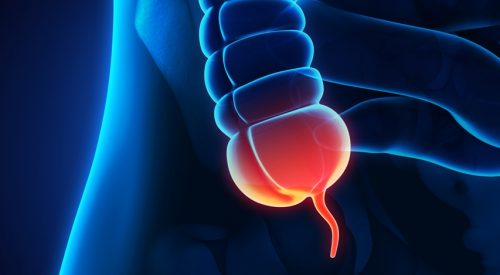
The appendix sits at the junction of the small intestine and large intestine. It’s a thin tube about four inches long and normally sits in the lower right abdomen.
Appendicitis is a painful swelling of the appendix. It’s connected to the large intestine, where stools (faeces) are formed and is believed to be a remnant of the digestive system from when the human diet was primarily vegetarian.
Anal Fissures
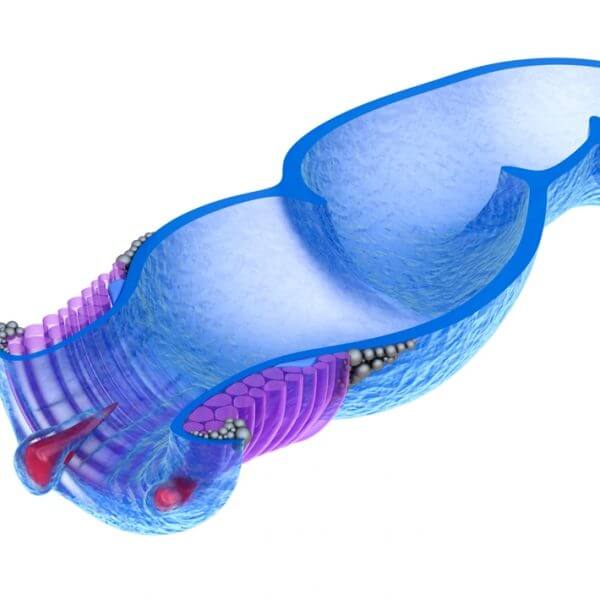
Anal fissures are small tears and/ or ulcers around the opening of the back passage, they can be extremely painful, especially when passing stools. After passing a stool, you may feel intense pain and have spasms for several hours after. Around one in 10 people experience anal fissures at some point in their life.
Anal Fistula
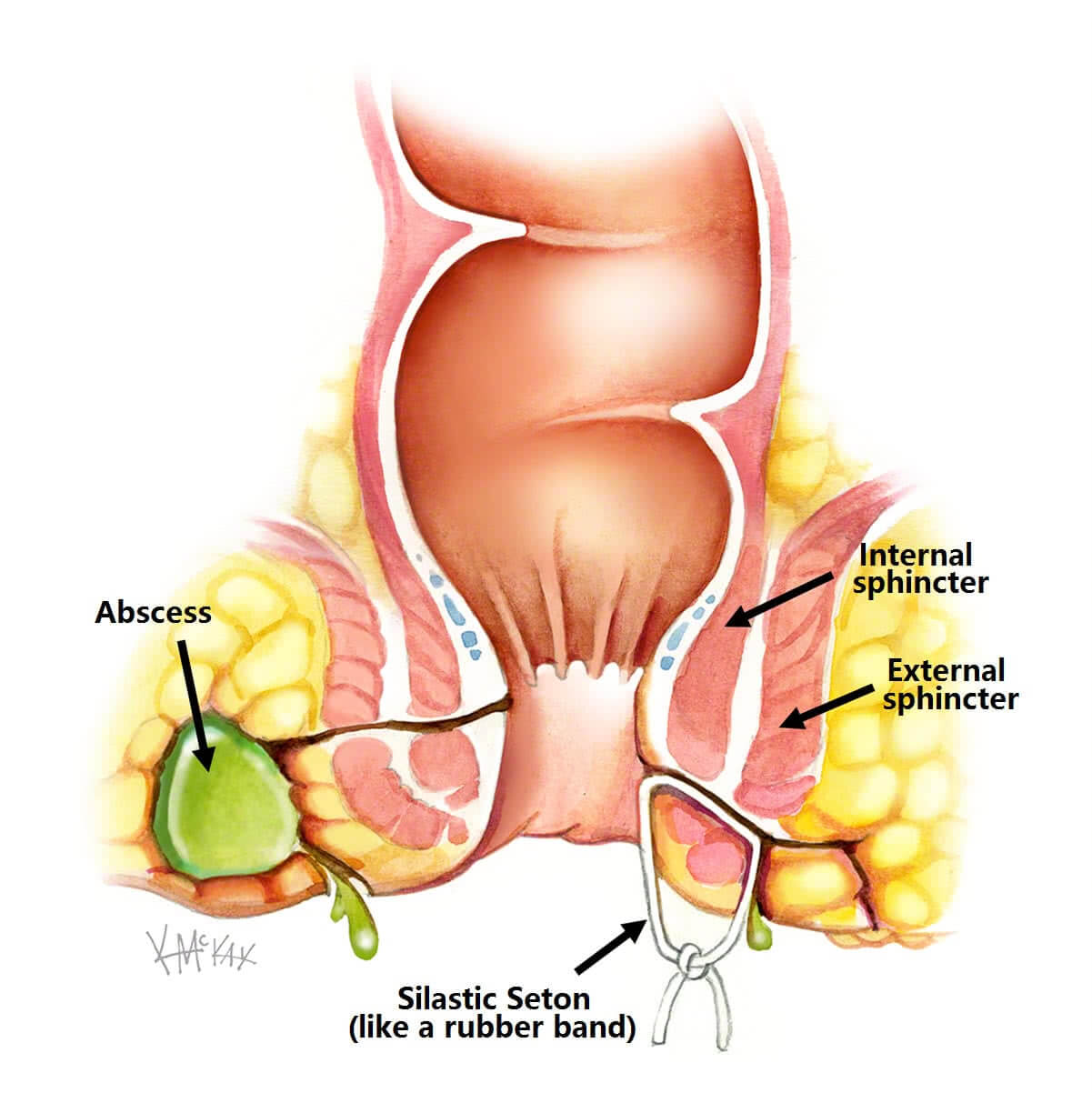
An anal fistula begins as an anal abscess that subsequently bursts, leaving a communicating tract between the inner anus and the skin of the perianal region. It causes a chronic discharge of pus that typically has an offensive odour.
Bowel, Colon and Rectal Cancer
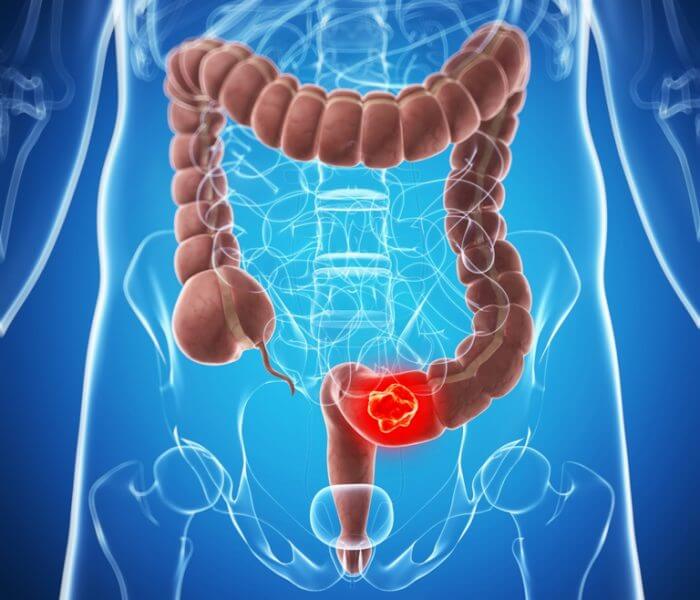
Bowel cancer is one of the most common cancers amongst Britons. Bowel cancer may also be referred to as colon or rectal cancer depending on where the cancer is located.
Inside your abdominal cavity is the long, tubular digestive tract. The second part of this tube – the large intestine – is composed of the colon and the rectum.
Diverticular Disease and Diverticulitis
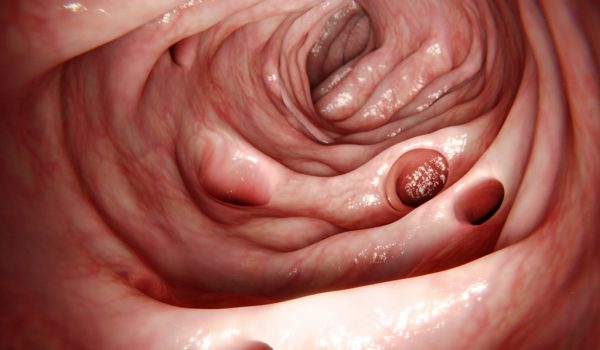
Diverticular disease and diverticulitis are related digestive conditions that affect the large intestine (bowel).
Diverticula are small bulges that can develop in the lining of the intestine as you get older.
Gallstones
The gallbladder is a small pouch in the abdomen area which lies beneath the liver and stores bile. Bile is produced by the liver which helps break down fatty food.
Haemorrhoids/Piles
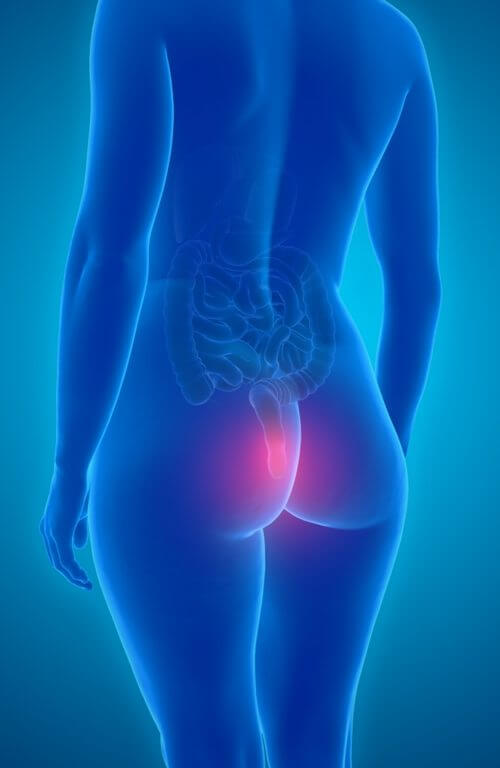
Haemorrhoids (or piles) are enlarged blood vessels inside or around the bottom (anus and lower rectum).
Inflammatory Bowel Disease: Crohn’s and Ulcerative Colitis
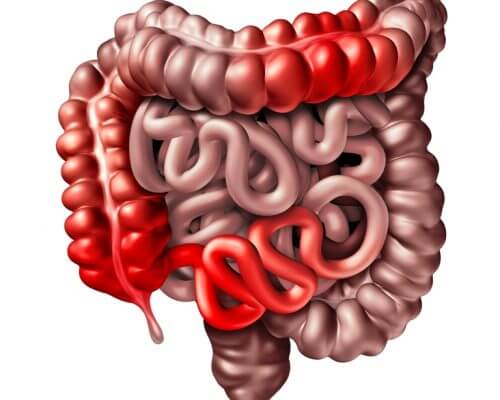
Crohn’s Disease and Ulcerative Colitis are the two main forms of Inflammatory Bowel Disease (IBD), affecting more than 300,000 people in the UK.
Some people with IBD, particularly Crohn’s, may develop complications, including:
Skin Lesions
Most skin lesions and ‘lumps and bumps’ are benign (non-cancerous), however, it is important to have them assessed.
An excisional biopsy can be performed to remove the whole lesion which can they be sent away to a laboratory for expert analysis.


Stoma
When a stoma is formed – loop or an end of healthy bowel is pulled up onto the surface of the abdomen to create an artificial opening where faeces can be passed out of the body, instead of through the anus (back passage).
This stoma may be either permanent – if there is no longer enough bowel left to make a continuous pathway from healthy bowel to anus – or temporary.
Ready to Speak with a Specialist?
Use the form to get in touch with us or use the contact details below.
Use the link below to book appointment directly at your convenience.
Please note, all information submitted to us is secure and GDPR compliant.