
Bowel Resection
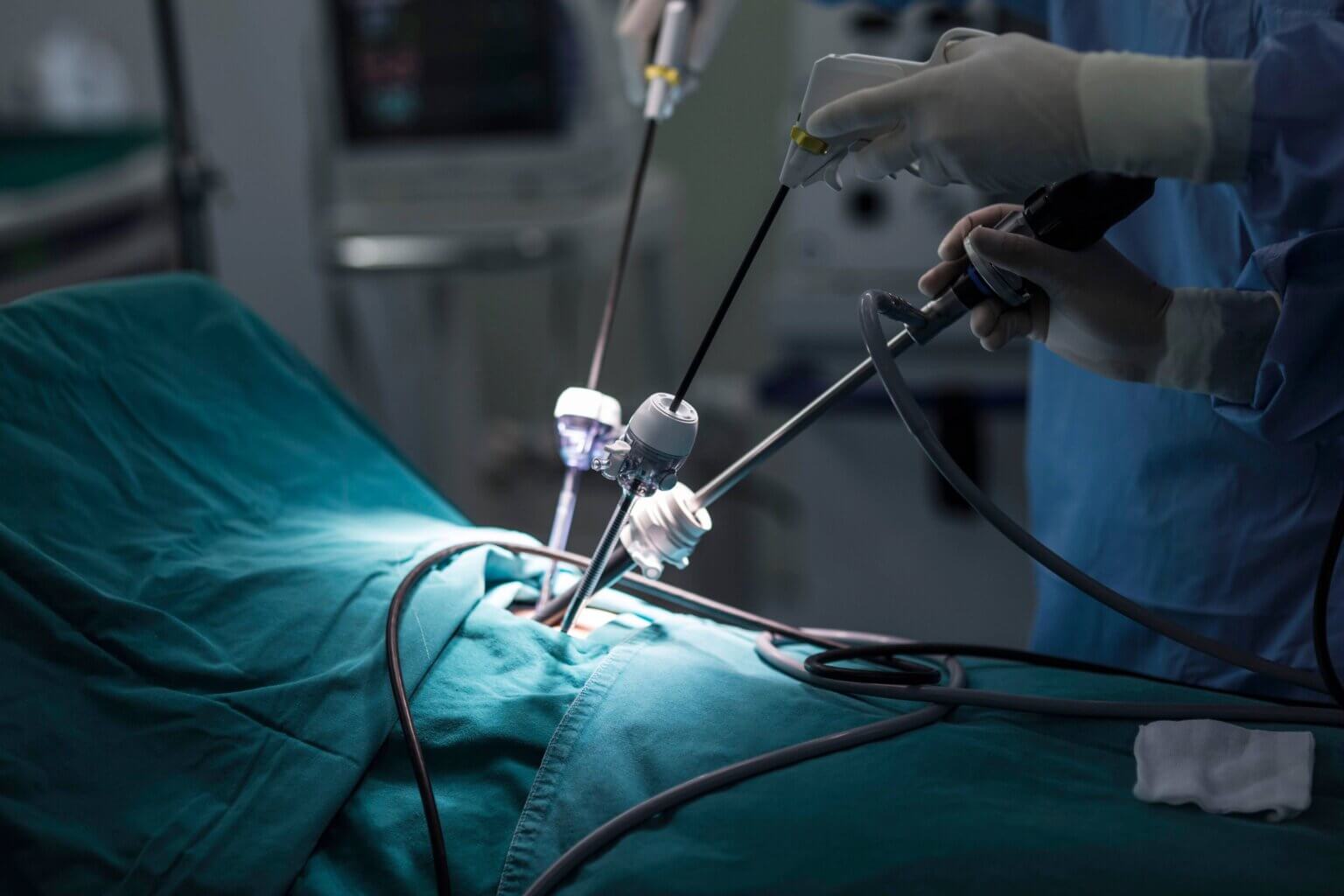
A bowel resection is a surgery to remove any part of the bowel. This may include the small intestine, large intestine or rectum.
You may require a bowel resection for one of the following reasons:
Colonoscopy
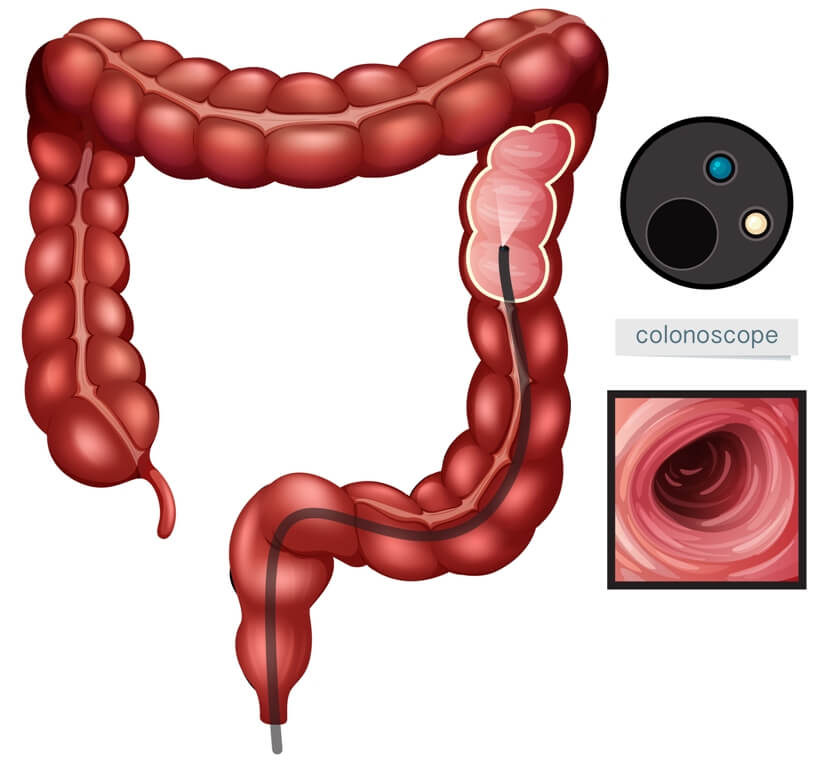
A colonoscopy is performed to allow your consultant to examine inside you for a number of complaints, including growths, diverticular disease and bowel cancer amongst others. The procedure is usually done with a sedative, meaning that you won’t need to be put to sleep but you won’t feel any pain during the procedure.
Endoscopy
An endoscopy is a procedure to examine the inside of your body. It uses an endoscope – a long, thin, flexible tube which has a light and camera at one end.
The images are shown on a monitor, so your consultant can clearly see the inside of your body.
Flexible Sigmoidoscopy
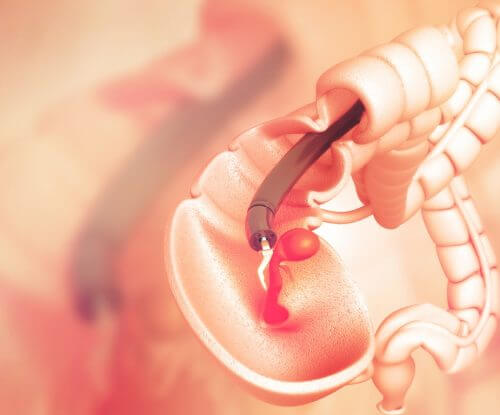
A flexible sigmoidoscopy is performed to allow your consultant to examine the inside of your bowel and is most commonly used to screen for bowel cancer. The instrument used allows surgical tools to be used should they be needed. The procedure is usually done as an outpatient procedure and shouldn’t take too long – around 10 to 15 minutes – meaning that you can leave hospital on the same day.
Gastroscopy
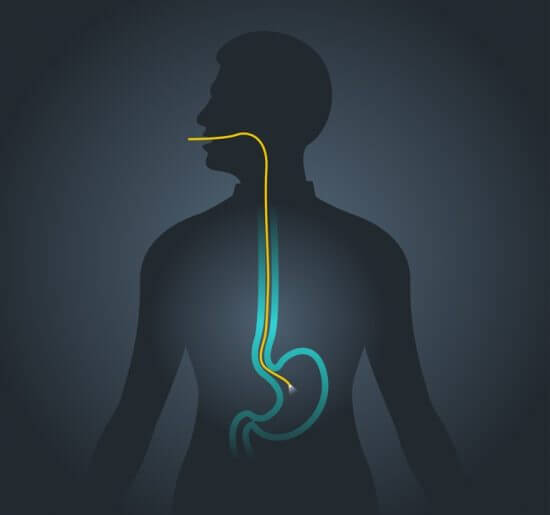
A gastroscopy is performed to allow your consultant to look at your oesophagus. The procedure can be done under a local anaesthetic or a sedative, meaning that you won’t need to be put to sleep.
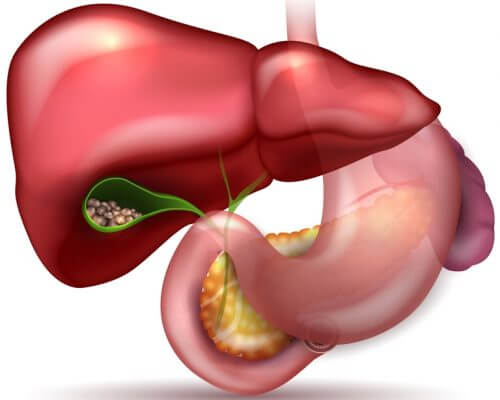
Gallbladder/Gallstones Removal
The main symptoms of gallstones are abdominal pain in the right upper abdomen, sickness and fever. Once you’ve been diagnosed, surgery may be required to remove your gallbladder if these symptoms persist.
Hernia Surgery Repair
A hernia is a ‘lump’ that pushes through a weakness in the muscle or surrounding tissue wall. It can usually be pushed back in gently, however if you place any strain on the abdomen area when you cough, sneeze, lift heavy objects or strain on the toilet, the ‘lump’ can appear again.
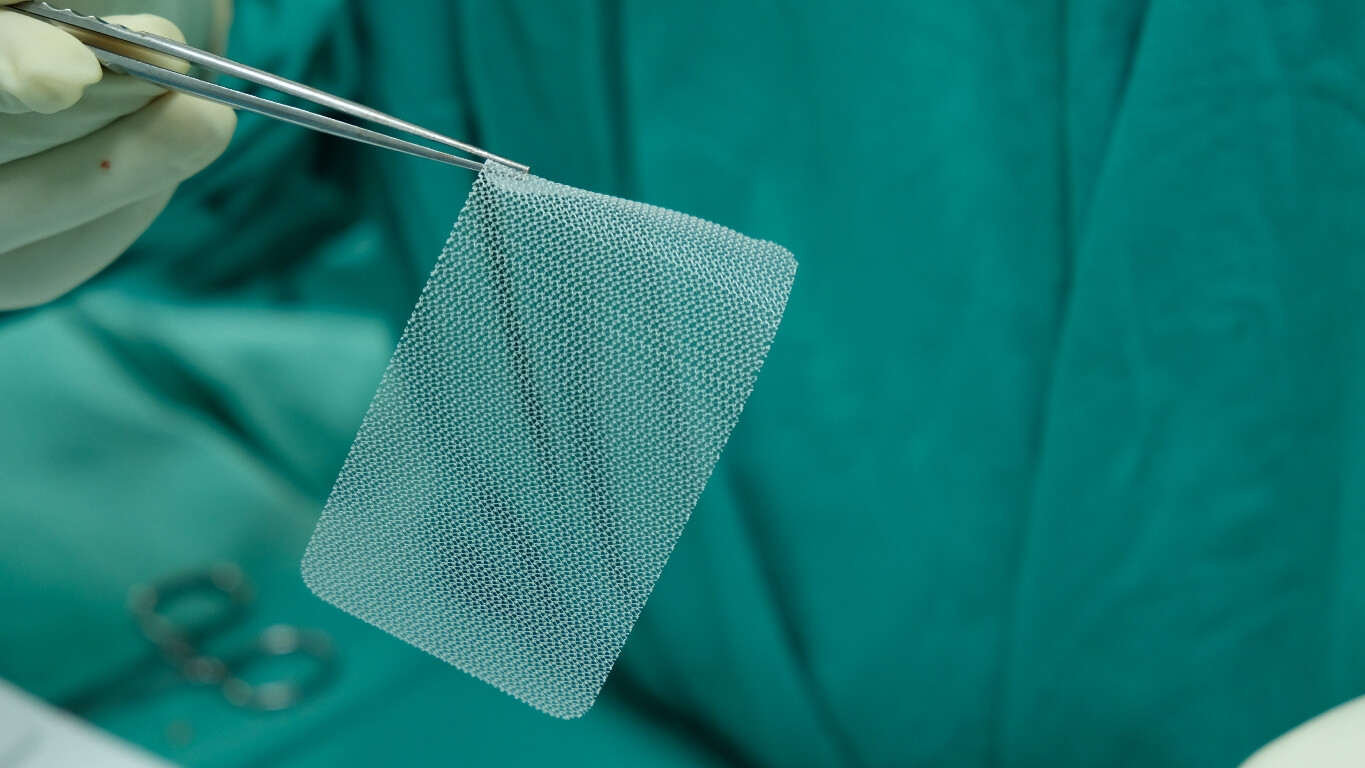
Haemorrhoid Artery Ligation Operation (HALO)
HALO (Haemorrhoid Artery Ligation Operation) is a procedure which eradicates piles.
It has a shorter recovery time than traditional haemorrhoid procedures and most patients are back to work after 24-48 hours with minimal discomfort.
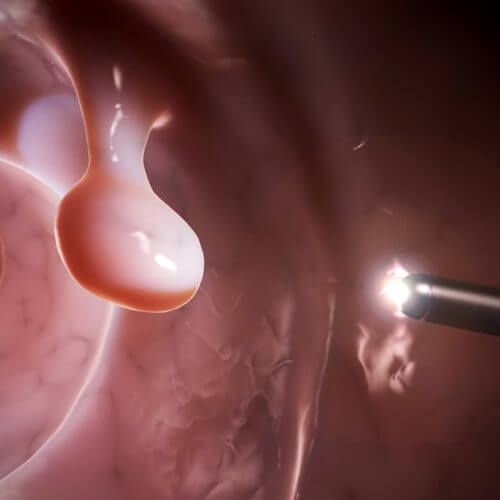
Polypectomy
A polypectomy is a procedure used to remove polyps from the inside of the colon, also called the large intestine. A polyp is an abnormal growth of tissue that is usually benign. The procedure is relatively non-invasive and is usually carried out at the same time as a colonoscopy.

Rafaelo
Haemorrhoids (or piles) are enlarged blood vessels, inside or around the bottom (anus and lower rectum).
How are they caused?
Ready to Speak with a Specialist?
Use the form to get in touch with us or use the contact details below.
Use the link below to book appointment directly at your convenience.
Please note, all information submitted to us is secure and GDPR compliant.