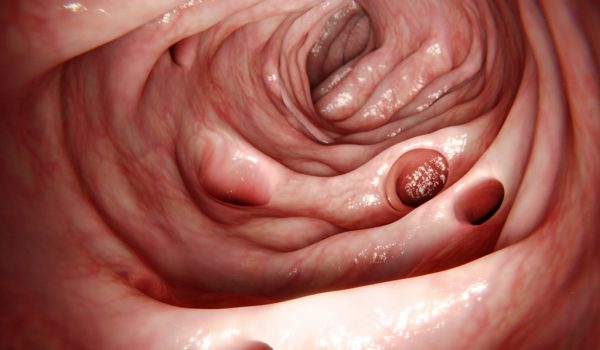
Diverticular disease and diverticulitis are related digestive conditions that affect the large intestine (bowel).
Diverticula are small bulges that can develop in the lining of the intestine as you get older.
When diverticula cause symptoms such as pain in the lower tummy, it’s called diverticular disease. If the diverticula become inflamed or infected which causes more severe symptoms, it’s called diverticulitis.
You’re more likely to get diverticular disease and diverticulitis if you don’t have enough fibre in your diet.
Symptoms
If your diverticula become infected and inflamed (diverticulitis), you may suddenly:
Treatment options
In serious cases, surgery may be needed to treat serious complications of diverticulitis.
Surgery usually involves removing the affected section of your large intestine. This is known as a colectomy which is the treatment for rare complications such as fistulas, peritonitis or a blockage in your intestines.
After a colectomy, you may have a temporary or permanent colostomy, where one end of your bowel is diverted through an opening in your tummy.
The most common complication of diverticulitis is developing abscesses. These are usually treated with a technique known as percutaneous drainage or a laparoscopic washout which is done by a radiologist.
Useful Resources
NHS Choices – Diverticular Disease and Diverticulitis https://www.nhs.uk/conditions/diverticular-disease-and-diverticulitis/