
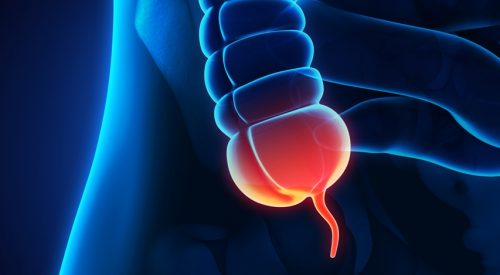
The appendix sits at the junction of the small intestine and large intestine. It’s a thin tube about four inches long and normally sits in the lower right abdomen.
Appendicitis is a painful swelling of the appendix. It’s connected to the large intestine, where stools (faeces) are formed and is believed to be a remnant of the digestive system from when the human diet was primarily vegetarian.
What are the symptoms?
Treatment options
Appendicectomy – removal of the appendix is one of the most common operations in the UK and has a high success rate. The operation is most commonly performed as keyhole surgery (laparoscopy), which involves making a few small cuts in your abdomen and using a camera to see inside.
Open surgery – where a larger, single cut is made in the abdomen, is usually carried out if the appendix has burst or the appendix is difficult to reach. Most people make a full recovery from an appendicectomy after a couple of weeks, although more strenuous activities may need to be avoided for up to six weeks after open surgery.
Antibiotics – while the diagnosis is in question, antibiotics can be prescribed to treat any potential infection that might be causing the symptoms. In general, antibiotics alone cannot effectively treat appendicitis.
Useful Resources
NHS Choices – Appendicitis https://www.nhs.uk/conditions/appendicitis/